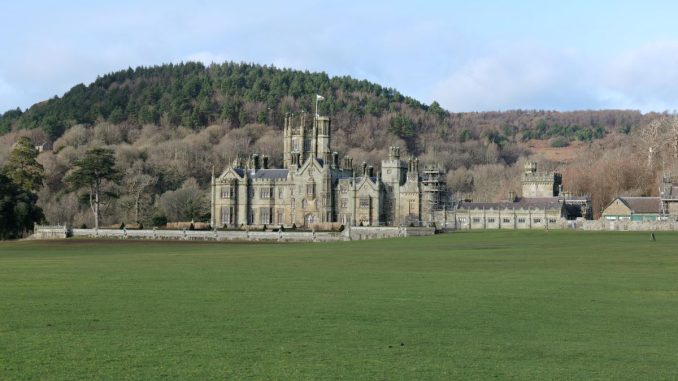
Margam Park is one of the most important historical and cultural sites in South Wales. Located near Port Talbot, the park covers around 850 acres of countryside, including gardens, woodland, farmland, and historic buildings. Today, it is a popular tourist attraction and public park, but its history stretches back many centuries and reflects the development of Welsh society from medieval times to the modern day.
The earliest history of Margam Park is connected to religion. In 1147, the Cistercian monks established Margam Abbey on the site. The abbey became one of the most important religious centres in Wales during the Middle Ages. The monks were skilled farmers and helped improve agriculture in the area by draining land, managing forests, and raising livestock. They also provided education and spiritual guidance for local communities. The abbey church still survives today and is one of the finest examples of medieval architecture in Wales.
During the sixteenth century, King Henry VIII ordered the Dissolution of the Monasteries, which led to the closure of religious houses across Britain. Margam Abbey was dissolved in 1536, and the land was taken over by the Crown before eventually being passed to wealthy landowners. Over time, the estate became the property of the Mansel family, who developed the area into a grand country estate.
In the eighteenth century, the estate was redesigned to reflect the fashionable ideas of landscape gardening. Large areas of parkland were created, and ornamental gardens, lakes, and tree-lined avenues were added. The owners wanted the estate to appear both beautiful and powerful, demonstrating their wealth and status. Many rare trees were planted, and some of these still survive today within the park’s famous Orangery Gardens.
One of the most important developments in the history of Margam Park took place during the nineteenth century when Margam Castle was built. Construction began in 1830 for Christopher Rice Mansel Talbot, a wealthy industrialist and politician. Designed in a Tudor Gothic style, the castle became one of the grandest country houses in Wales. It featured impressive towers, detailed stonework, luxurious rooms, and large windows overlooking the surrounding countryside. Christopher Rice Mansel Talbot was one of the richest men in Britain due to his involvement in coal and iron industries, which were rapidly expanding in South Wales during the Industrial Revolution.
The estate played an important role in local industry and employment. Many local people worked on the estate as gardeners, servants, labourers, and farmers. The nearby docks and industrial developments at Port Talbot also contributed to the wealth of the estate and the wider region. However, maintaining such a large property became increasingly expensive during the twentieth century.
After the Second World War, many aristocratic estates across Britain faced financial difficulties, and Margam Park was no exception. Eventually, much of the estate was transferred into public ownership. In 1973, the local council purchased Margam Park to preserve its historic buildings and natural environment for future generations.
Today, Margam Park is an important centre for tourism, recreation, and education. Visitors come to explore the castle, abbey ruins, gardens, deer park, and woodland trails. The park also hosts concerts, festivals, historical events, and outdoor activities throughout the year. Schools often visit to learn about Welsh history, nature, and architecture.
In conclusion, the history of Margam Park reflects many important periods in Welsh history, from medieval religion and aristocratic power to industrial growth and modern conservation. Its abbey, castle, and beautiful landscapes continue to attract visitors and preserve the heritage of South Wales for future generations.