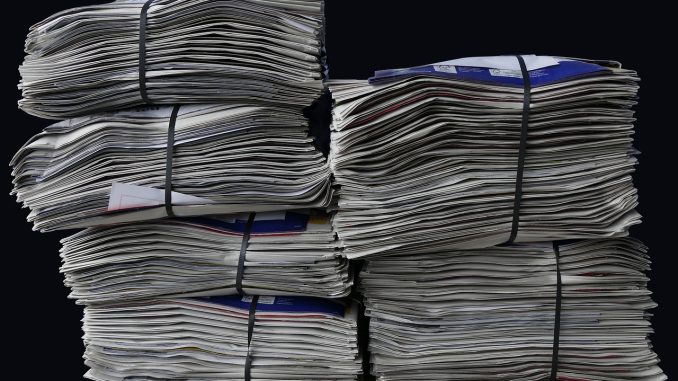
A waste baler is a machine that helps businesses manage and organize all kinds of waste by compressing it into compact, easy-to-handle bales. It’s basically a go-to tool if you’re dealing with a lot of trash, recyclables, or bulky materials that would otherwise pile up fast. You’ll often see waste balers in warehouses, retail stores, factories, distribution centers, and even grocery stores — anywhere that’s looking to keep their space clean and efficient.
Here’s how it works
The way a waste baler works is pretty straightforward. First, you load loose waste into the baler’s chamber. This could be anything from cardboard and plastic to textiles, paper, or even aluminum. Once it’s full, the machine uses a powerful hydraulic press to squeeze everything into a tight block. After the compression cycle, you tie up the bale with wire, plastic strapping, or twine, and it’s ready to be moved, stacked, or hauled away.
There are a few types of waste balers depending on what you need. Vertical balers, like the ones from Mil-tek, are a popular choice for smaller spaces — they’re compact, easy to use, and perfect for lower to medium volumes. If you’re handling bigger loads day in and day out, a horizontal baler might be a better fit since it can handle continuous feeding and produces larger bales. Some models are even fully automatic, making them a real time-saver for busy operations.
So why invest in a waste baler? For one, it saves a ton of space by cutting down the volume of your waste. Instead of overflowing dumpsters or cluttered back rooms, you get neat, stackable bales that are easy to store or ship. It can also reduce waste disposal costs because you’re sending fewer loads to the landfill. Plus, if you’re recycling materials like cardboard or plastics, you might even be able to sell your bales to recycling companies and bring in a little extra revenue.
On top of that, a waste baler helps keep your workplace safer and more organized. No loose trash lying around means fewer trip hazards and a cleaner, more professional environment for your team and customers.
Before picking a waste baler, it’s worth thinking about what materials you’re handling, how much space you’ve got, and how much waste you’re producing daily. Choosing the right baler can make a big difference in how smoothly your operations run — and how much money you save over time.
Image Source: Pixabay