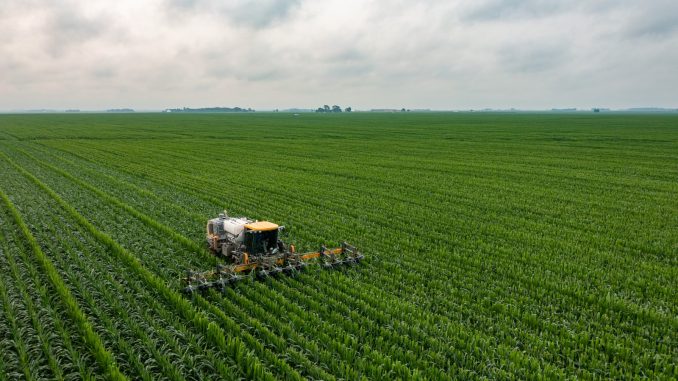
Wales is a country of proud farming heritage, but times are changing. New challenges — like climate shifts, tough regulations, and financial strain — are forcing farmers to rethink how they work. The future may not look like the past, but it can still be rooted in the land.
Despite their small size and focus on livestock, farmers across Wales are finding ways to blend centuries-old traditions with modern tools. More farmers are turning to digital solutions that support what they already do well. Tools like agriculture software for crop management are helping them make better decisions, avoid waste, and improve yields without giving up traditional ways.
Agriculture In Wales: Tradition And Innovation
Welsh rich agricultural tradition is shaped by its diverse landscapes. Rolling hills, coastal plains, and mountainous regions make Wales best suited for livestock farming. Flatter, more fertile lands, rarer in Wales, host arable farming of barley, wheat, oats, and potatoes as the main crops.
In recent years, sustainability has become a key focus in Welsh agriculture. Government initiatives like the Sustainable Farming Scheme aim to support farmers in balancing food production with environmental conservation. Farmers are increasingly using regenerative practices that use fewer pesticides and cause less soil disturbance in order to restore soil and ecosystem health over time.
In South Wales, farming largely follows the national trend, with livestock farming prevailing over cropping. Still, some farms in the region are pushing forward with large-scale sustainable arable production. For example, Sealands Farm near Bridgend has received recognition for increasing soil organic matter and production through companion cropping. Besides traditional farming, South Wales farmers are finding ways to adapt and diversify. Direct-to-consumer sales, agritourism, and niche products help farms stay financially viable.
With agriculture making up less than 2% of Wales’s GDP, farmers need strong support to keep producing food despite climate challenges. Achieving a compromise between long-term viability and profitability is key for the future of farming in Wales.
What Makes Farming In Wales Tough?
First and foremost, there isn’t enough fertile land to do everything — grow food, graze livestock, protect wildlife, and store carbon. Climate change is making this even harder, pushing farmers to use land for things like flood prevention and renewable energy. At the same time, new nitrate regulations require costly slurry storage, forcing farmers to either spend more money or reduce their herds. Some landowners are also worried about the 10% tree cover rule, as it might not work for all farms. Bovine TB remains a serious issue, stopping cattle sales and harming farm businesses.
Farmers in South Wales also deal with specific challenges:
- low prices for farm products leave many struggling financially;
- sustainability efforts like tree planting often fail due to drought and disease;
- poor internet access in rural areas makes it hard to use agriculture software and online markets.
While dairy farms have seen some price increases, other farmers are still in a tough position. These problems make it harder to keep farms running, and many worry about the future. Flexible policies and better support in adopting agricultural technologies could help farmers manage these difficulties more effectively.
AgTech In Wales: What’s Changing On The Ground
While many farms remain small and family-run, digital tools are helping them work more precisely and deal with growing challenges, from unpredictable weather to rising input costs. With many farms located in hilly or remote areas, the right tools of precision farming can make daily work more efficient and help overcome natural limitations.
Many Welsh farms are turning to accessible technologies that don’t require major investment and a full digital overhaul. They work alongside traditional practices, improving what farmers already do. Common examples include:
- Satellite-based crop management software like EOSDA Crop Monitoring helps detect changes in crop health or soil condition from above to optimize irrigation, fertilization, and other field activities.
- GPS guidance systems allow machinery to follow precise paths in fields, reducing overlaps and saving fuel.
- Digital weather tools combine field sensor and/or weather station data with modelling and forecasting for better planning in agriculture.
- Automated weighing and tagging for livestock improves record-keeping and herd management.
- Farm management apps allow farmers to track inputs, yields, and compliance tasks in one place.
In South Wales, where field crops are more common and farms are slightly larger on average, agriculture technology uptake has been quicker. Many growers are exploring drone-based scouting, variable-rate spraying, and crop models that combine local weather with growth stages.
Both the Welsh and UK governments have established several programs to help farmers embrace agricultural technology. The Agri-Tech Action Plan focuses on bringing agriculture management software to farms and increasing their productivity while benefiting the environment. This plan includes training programs to help farmers use these new equipment effectively. As more Welsh farmers see results, digital tools are becoming a normal part of day-to-day work.
Can Welsh Farming Survive — And Thrive — In The Years Ahead?
The future of Welsh agriculture depends on how the sector adapts to economic pressures, environmental needs, and new technological challenges. Although uncertainty after leaving the EU puts £300 million in annual farm support at risk, it also gives Wales a chance to create a better system — one that supports farming in a changing world.
Several practical trends point to where Welsh farming can go next:
- Digital farming solutions. Precision mapping, drones, and sensors can cut costs and improve yields.
- Regenerative practices. Restoring soil and nature can protect long-term productivity.
- Diversified incomes. Payments for storing carbon or managing habitats can bring new revenue.
- Lower livestock levels. Revisiting pre-1960 livestock numbers can reduce the depletion of natural resources in grazing areas and methane emissions.
These changes won’t happen overnight. But with smart public policy and targeted support, Welsh farming can remain viable — economically and ecologically — for the next generation. The tools exist. The question now is how quickly they’ll be adopted.